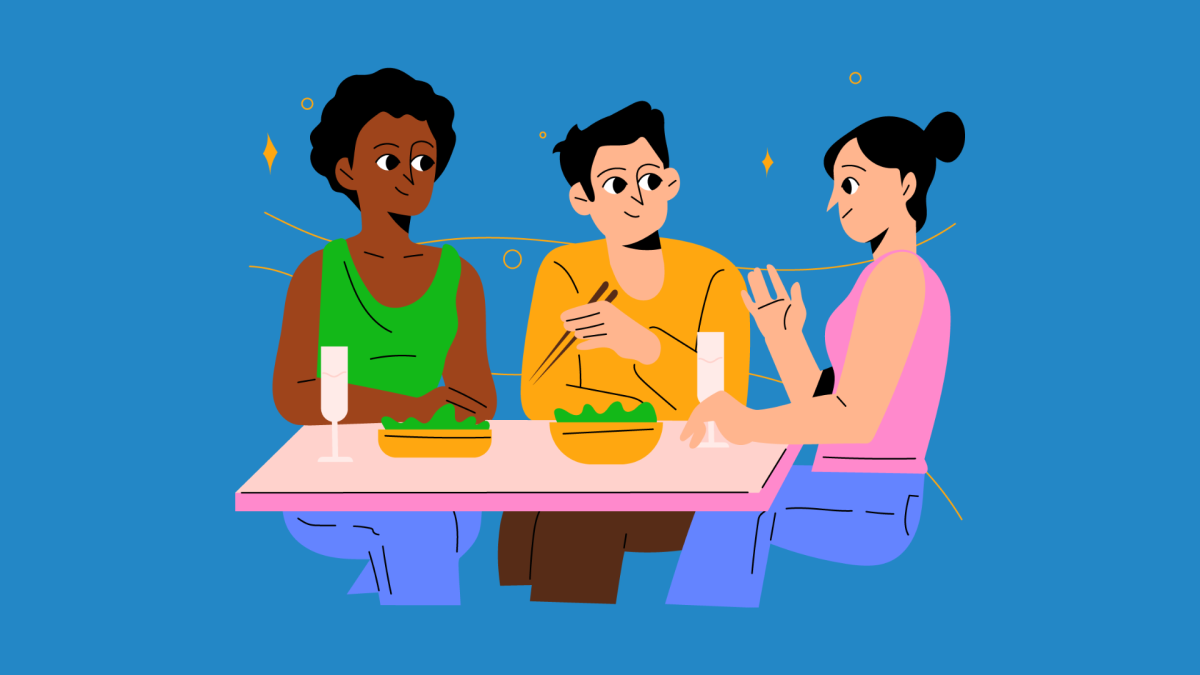
Emotional vulnerability: the courage to put one’s deepest emotions on display, regardless of fear of backlash. Being vulnerable can be scary, because once you put yourself out there, you can’t put yourself back in. This makes people afraid to speak their mind. This stigmatization of emotion can be very dangerous, because emotional intelligence is dependent on vulnerability.
While it can be difficult, showing emotional vulnerability benefits everyone. Not only does the individual become more in tune with their emotions, but those they surround themselves with also gain valuable skills of emotional intelligence. When we show vulnerability, we show that emotional responses are human reactions. The absence of emotional vulnerability leads to a lack of connection with one’s own mind. Additionally, when someone shows emotional vulnerability, it allows other people to know more about how to respond to their specific needs. Having the opportunity to confront emotions and learn how to handle the responses of different types of people enables us to be prepared to face these situations head-on.
Being emotionally vulnerable also connects to larger implications. On one hand, communities can benefit from members being vulnerable, as it brings people together. Human connection depends on the atmosphere people create. As such, when the people create an environment where emotions are welcomed, the community becomes more open. We begin to accept ourselves and others for all their emotional responses.
On the other hand, emotional vulnerability is also very important in personal relationships. Communication remains one of the principles of creating a lasting relationship. Friendships are built on creating spaces where susceptibility to emotions are accepted. When you show emotional vulnerability, you are showing your friends that you are willing to deepen your connection. Being willing to share even slivers of vulnerability helps develop relationships and establish trust.
The same can be said with familial relationships. Between children and parental figures specifically, being emotionally vulnerable is important in both roles. As a parent, showing emotional vulnerability shows your children that you feel the same emotions as them and understand the world from their perspective. As a child, expressing emotional vulnerability allows your parents to better understand your thoughts and enables them to respond in the best way possible for both parties.
In all scenarios of showing vulnerability, there is a symbiotic benefit. The community and your relationships benefit, but so do you. You become more in-tune with yourself, enabling you to know yourself better. The ways that we express our emotions alone is different from how we process them in front of others. By being emotionally vulnerable, we give ourselves the opportunity to learn how we react in front of our peers in situations we control. Without this necessary experience, we are at risk of an outburst in front of others that we are not prepared for others to experience.
While emotional vulnerability is being open to sharing inner thoughts, it does not mean that you need to overshare. It is important to find the balance between open communication and maintaining personal privacy. For some, that balance might lean towards being more conservative to sharing emotions, but still being willing to communicate. For others, it may entail deep conversations about their deepest insecurities. It is important to consider your personality and choose how open you want to be and who you share with.
Embracing emotional vulnerability in your life can take on many forms. It can be having open conversations with friends when you are overwhelmed, sharing your feelings towards difficulties in your life or even just being honest with yourself. So, always remember: being emotionally vulnerable opens the door to growth.