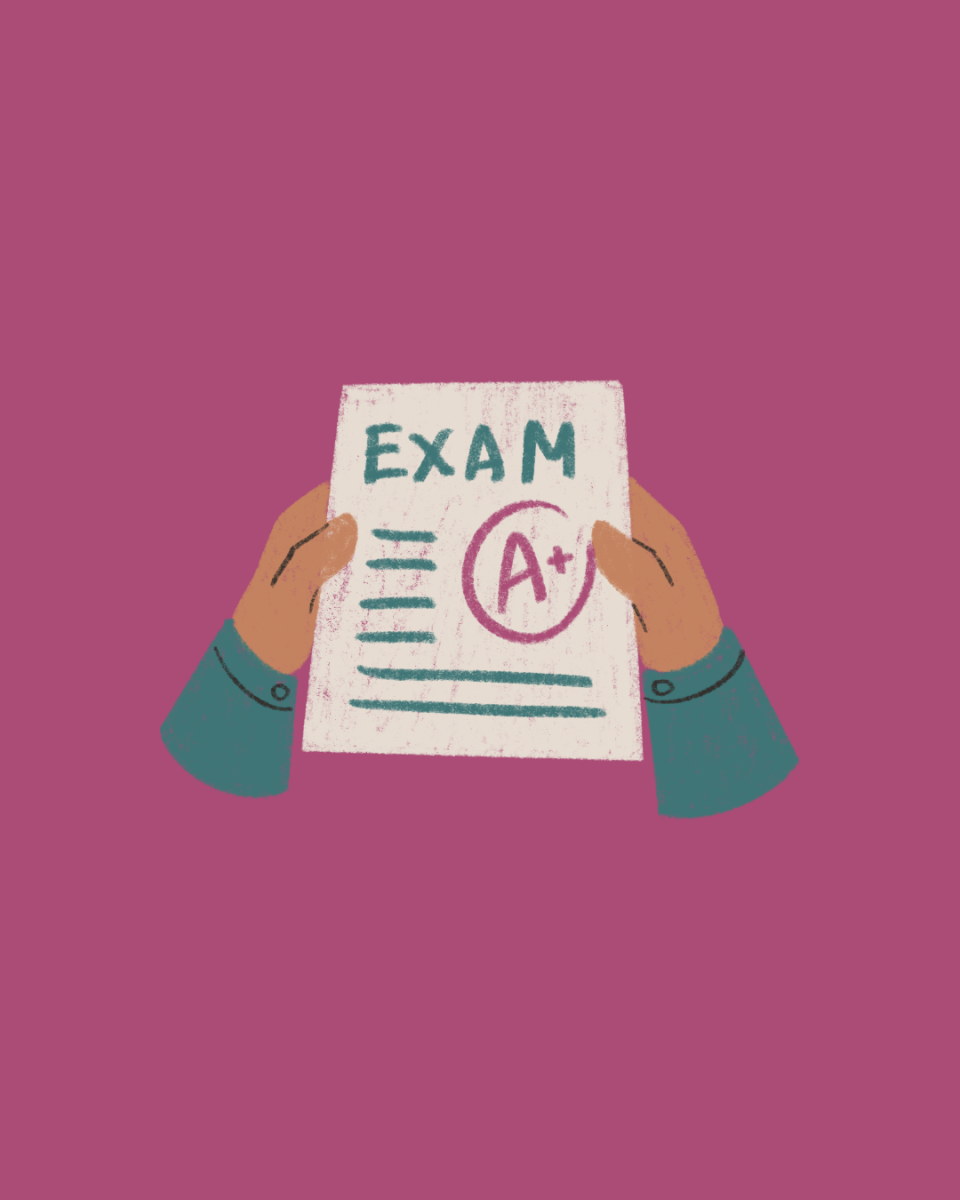

As the year progresses, students find themselves pressured to attend school while sick. With the fast pace of classes, along with tests and quizzes, which can be a hassle to reschedule, it can be easy to feel behind after missing school.
The county’s absence policy is not lenient either; according to the Fairfax County Public Schools (FCPS) website, students with cold symptoms should still attend school. This forces students to go to school when they may not be prepared to do their work and should instead be at home recovering. For a student to “qualify” to stay home, they should have more severe symptoms, including frequent coughing, vomiting, a severe rash or a fever above 100.4 degrees fahrenheit.
Even these more severe symptoms are not always enough to keep students home. At certain times of the year, hacking coughs can be heard echoing throughout the school. Many students go to school even when they could be contagious because the consequences of being absent seem too daunting, contributing to the spread of illnesses throughout the school, leaving even more students with the choice of attending school sick or missing potentially vital information.
When students are pressured to prioritize their schoolwork over their health, they can overexert themselves, something that is not only unpleasant, but can weaken their immune system, making them sick for even longer. This impacts both their health and academic performance. Unfair pressure is put on students to keep up with their classes even while they are not well enough to learn.
Some classes provide ways to catch up independently through class recordings or similar resources. Math teacher Susan Moy, for example, provides note guides and old recordings from the coronavirus pandemic to help students who are forced to miss class. However, the majority of classes leave students in the dark, heightening the pressure to remain at school.
Countless sick students have determined whether to attend class based on their ability to later catch up. They wake up at 6:00 a.m. with a runny nose and a fever, all to attend that one class they just can’t afford to miss. It’s ridiculous. It shouldn’t be happening.
Teachers have a responsibility to provide ways for students to catch up after being absent. The vast majority of classes, especially for upperclassmen, are too complex for a simple “ask a friend” to be adequate. And even if a peer did understand the material and was able to explain, learning should not be a popularity contest. Students shouldn’t have to rely on having a friend in the class to be able to pass.
Some teachers offer to help during fourth period or stay after school with students who have had the misfortune of missing class, but meeting with all their teachers in this way can be difficult when a student has missed a full day of school – or, God forbid, multiple days.
Teachers have incredibly demanding jobs, and it is understandable that they can get bogged down or annoyed when students need help catching up on material that has already been taught. However, at the end of the day, it is their job to provide reasonable support and accommodations when a student struggles in class. Whether that means sharing slideshows, notes or recording of lessons, it is up to teachers to alleviate the pressure for students to put themselves and others at risk by showing up to school sick.