Nearly 174,000 students participate in VHSL (Virginia High School League) athletic activities according to the official VHSL website. On the other hand, many students choose to focus on their club teams, a split that leaves some players unsure which team to commit to. Both teams offer a great way to pursue athletics, but the two hold very different experiences.
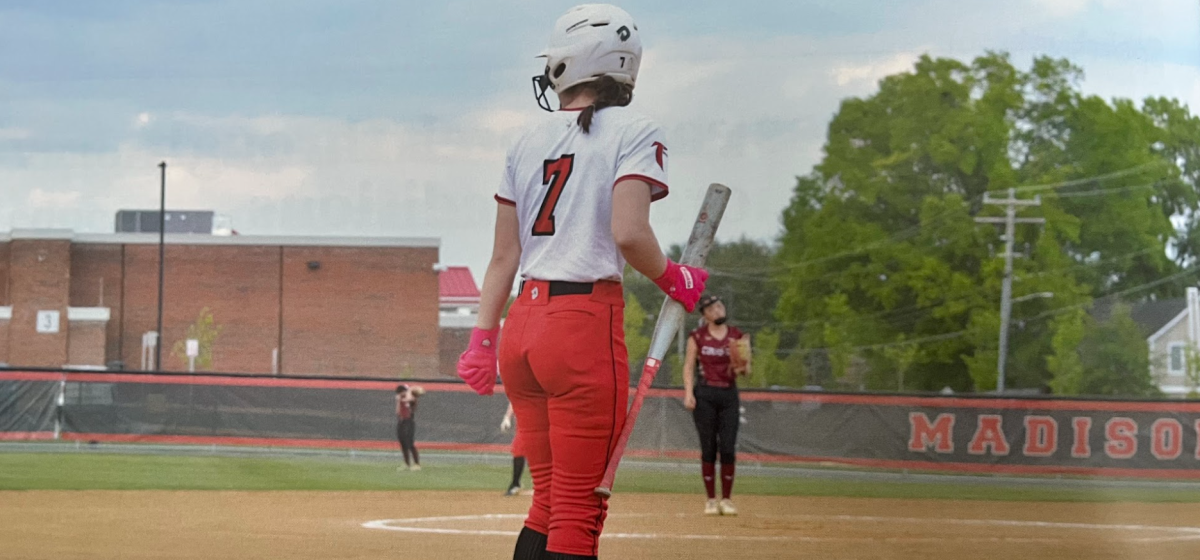
“In high school soccer, it’s about being with your friends, representing your school, and having fun, whereas club soccer is much more serious and driven.” Ebba Shinkman (’28), a winger for both the Fairfax Virginia Union 2010 ECNL (Elite Clubs National League) and Madison varsity team, said.
The atmosphere between club and high school sports differs: high school sports often receive much more acclaim than club sports. For high school sports, the stands often include more students and citizens of Vienna whereas in club sports, it is mostly the parents of the players.
“As a competitive club soccer player, the benefits that I received the most playing for Madison weren’t technical or tactical.” Shinkman said. “Learning in these aspects of soccer is much more developed in clubs. However, at Madison I gained so much confidence on the field and made lifelong friends.”
Additionally, many club teams must stick to a fixed age group to promote fair competition, ensure appropriate physical and cognitive development, align with social structures and meet regulatory standards. However, in VHSL sports, schools can mix and match players throughout their teams. From students ranging from freshmen through seniors, the spread of knowledge and support can encompass many different aspects.
“As a freshman, I was able to look up to the older girls on my team and get their advice on school and other topics off the field.” Shinkman said. “They really served as mentors for me and my other underclassmen teammates, and were a big part of how well the season went.”
High school sports focus towards teamwork, mentorship and confidence, while club sports provide advanced skills, competition and exposure to college elite. As a club player, one needs to step up and step out faster than a high school player, but the longevity of school teams fosters cohesion and mentorship through the years.
Her experiences align with what Madison’s coaches aim to provide. Shinkman’s experience reflects the broader goals of Madison’s high school sports program, according to boys varsity soccer coach Randal Wood.
“High school sports provide student-athletes with the opportunity to represent their school, while balancing their academics in order to remain eligible to play,” Wood said. “High school sports have more emphasis on character building, versatility, and teamwork within a tiered system: Freshman, JV, Varsity teams.”
Wood uses this approach to support the school’s policy of equal playtime (PT). Unlike most teams, which follow a start/bench/reserve system, equal PT ensures all players get time on the field, including those who might see less action on their club teams. However, the policy is controversial, as some students feel playing time should reflect skill and performance, similar to club sports. Club soccer is based more upon a start/bench system than the equal PT Madison boasts. Players have to earn their positions and underperformers are benched or given less time if they’re not meeting expectations.
“Club provides more game experience in a three-month schedule and can provide higher levels of competition, but there is often much less of a team cohesion… and less opportunities for consistent coaching and player development during a player’s HS years,” Kevin Roller said, coach of varsity boys basketball. Club soccer, however, is more technical and competitive so experiences can vary with each sport and team.
“Club soccer exposes players to a higher level of play with licensed coaching, competitive leagues and soccer skill development,” Connor Simon, a coach for the 2010 Vienna Youth Soccer team said. “In addition to a focus on athletic development”
High school sports focus towards teamwork, mentorship and confidence while club sports provide advanced skills, competition and exposure to college elite. As a club player, one needs to step up and step out faster than a high school player, but the longevity of school teams fosters cohesion and mentorship through the years.
However, for many student-athletes, it’s not one or the other. Playing both empowers student-athletes with confidence, socialization opportunities and athletic developments that benefit players from both aspects for better teamwork skills when on and off the field.