There has been widespread debate over the years about the relationship between nostalgia and consumerism. Take digital cameras, for example. In comparison to modern technology, camera quality tends to be grainy, the resolution small and portability lackluster. That, however, may be the exact appeal that attracts customers. The digital camera is the perfect example of the draw of nostalgia: every obsolete factor becomes its own, unique asset replicating a time in which grainy, small resolution was the norm. This search for something old and familiar leads customers to seek vintage-style items, creating what is known as the nostalgia economy.
While sales in products that hold nostalgic value aren’t actually skyrocketing, their consistent buyer market is a mystery. The nostalgia economy is fueled by consumers who enjoy vintage or older styles of items such as clothing, music and videogames. Those who are interested often visit vintage stores and consignment shops. Student and vintage stamp collector Dina Boules (’27) suggests a reason for the vintage market’s continued existence.
“If you are really into this one certain thing, you will be inclined to look into its history and then purchase those types of things,” Boules said.
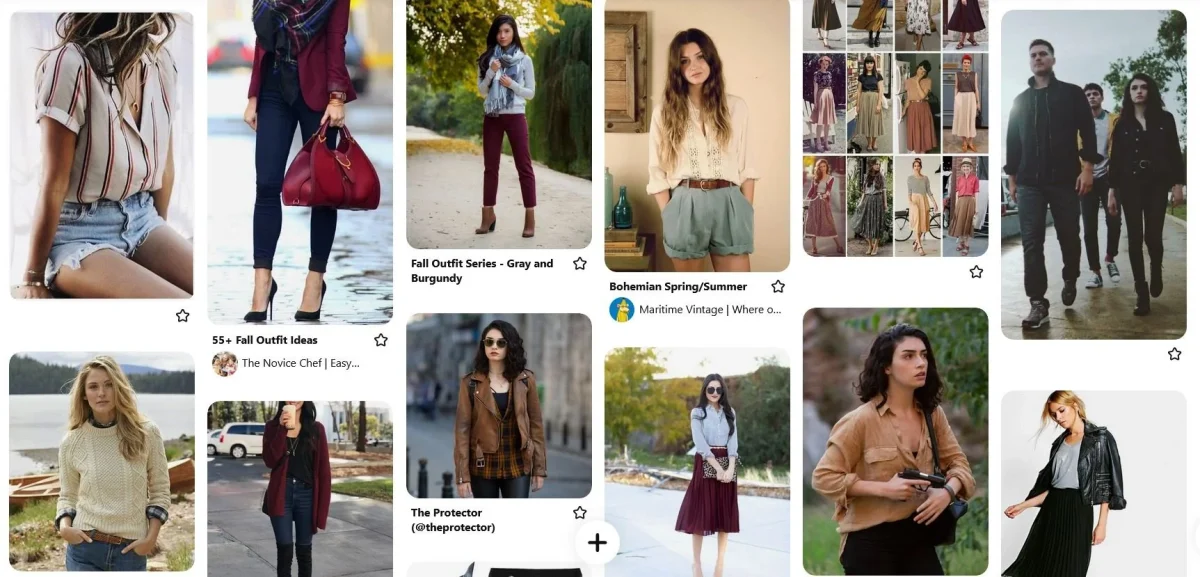
Nostalgia holds its own unique place in the clothing industry. Popular modern clothing brands like Hollister, Abercrombie & Fitch and American Eagle have all released collections centering around vintage styles or trends. The customers love it. According to the 2024 ThredUp resale report, 10% of the global apparel market is expected to be made up of secondhand.
Vintage items and fashions aren’t just popular to the average consumer. In a recent Vogue article, “The Biggest Vintage Trends Of 2025, According To The Experts,” they argue, “Vintage fashion isn’t going anywhere in 2025, as a growing number of celebrities embrace the power of second-hand on the red carpet and beyond.” This appeal of vintage fashion isn’t anything new, from the fashion of the seventies reflecting Victorian times to the fashions of the eighties reflecting the forties, fashion has always been cyclical.
But there is something about the old, obsolete items that continually encourages the younger generations to come back for more.
“It’s sort of both a known and an unknown,” Boules said. “Most people who are into this stuff weren’t there to experience [the time period], but have all this information about it. It’s almost like reading a story.”
While the mysticism of past generations can prove as a fascinating rabbit hole, some believe that nostalgic feelings are pointless and impractical. The Cato Institute claims, “those who are nostalgic about life in the 1970s would likely have lived without microwaves, personal computers and the internet. Those looking back to the 1950s forget or ignore the fact that most homes not only lacked air conditioning and color TV but also lacked dishwashers and clothes washers and dryers.” People who embrace nostalgia are ignoring the fact that life is better nowadays with the advances in technology.
Regardless of how some feel about the nostalgia economy, it is clear that vintage items won’t be going out of style anytime soon. Consignment stores are more popular now than ever, and people will continue to feel nostalgic over the past for years to come. One day, future generations will stumble across face masks and crocs, collecting them like pokemon cards, and reimagine life in the 2020s.