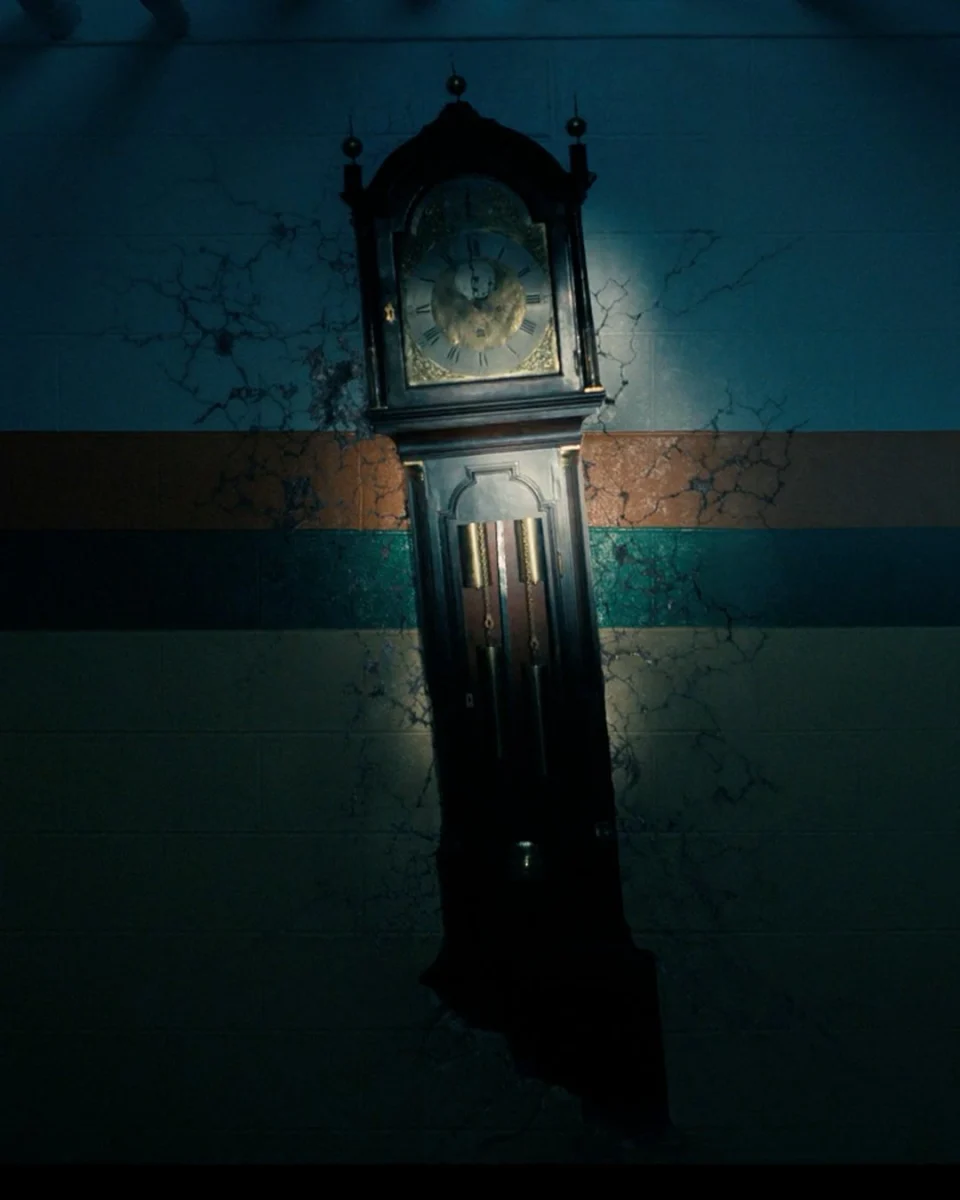
“Stranger Things” wrapped up its series with the finale on Dec. 31, 2025, after years of the ongoing fandom. Fans were expecting an explosive ending, one without plot holes and more intricate than any one fan could piece together. The outcome was underwhelming, with fans coming to TikTok to share multiple theories and alternate endings.
One of the theories became a viral sensation, even getting recognition on “SNL” when “Stranger Things” star Finn Wolfhard hosted it. A strangely subdued conclusion of an ending, some viewers claimed, is now nicknamed “Conformity Gate.”
Conformity Gate is an idea created on TikTok that accuses “Stranger Things” of sacrificing full character development and thematic risk-taking plot for a fandom alignment and mass-pleasing narrative. Fans feel the Duffer brothers played it safe and lost the momentum they had for years.
The show reflects a cycle in contemporary television series: high stakes and theorizing ended with inevitable disappointment. Although the “Stranger Things” finale was made with quality and delivered an emotional experience, most fans took to social media to share a sense of incompleteness and dissatisfaction with the franchise.
Primarily, plot threads teased all season were never resolved, characters abruptly got their happy ending, with some in a way that almost feels atypical. Some include the absolute absence of demogorgons in the final battle and the lack of consequences of the heroes.
TikTokers, the extremists of micro analysis, are critiquing the finale as if it were a case study. One persistent factor brought up after the documentary behind the scenes was released was the fact that the finale wasn’t fully written when some of the scenes were filmed. Production is often intense and unpredictable with reshoots and real-time adjustments; however, TikTok fandoms have interpreted these behind-the-scenes realities as evidence of chaos and no follow-through with the plot as opposed to craft.
The loop between studio storytelling and TikTok is hard to ignore, as fandoms develop theories that set expectations and influence standards, leading to disappointment and discourse over what should be considered canonical.
TikTok backlash shows a new trend in modern filmmaking among audiences; they’re not just consuming the media anymore, they’re co-authoring its message.
With promises of spin-offs in the Stranger Things universe, with an animated show coming to Netflix in the near future, the question is clear: can the Duffer brothers outdo their fans, or will conformity gate become the franchise’s defining lens?