2026 is fast approaching, and students are gearing up for parties and midnight countdowns – or at least most of them are. For some, new years look different, as celebrations can differ in both dates and traditions.
Rosh Hashanah
Rosh Hashanah is the Jewish New Year, which is celebrated in the fall, around the time of the harvest, and is one of the Jewish High Holy Days. It begins the Days of Awe, which are ten days when people are supposed to reflect on the previous year and ask those they’ve hurt for forgiveness. However, before all of the reflection, which culminates on Yom Kippur, Jewish people celebrate the arrival of the new year.
“My family celebrates by going to services at Temple Rodef Shalom, and then we take the rest of the day off to relax,” Noah Nam (’28) said. “[We eat] apples and honey for a sweet new year.”
Apples are dipped in honey to symbolize a sweet new year, and people eat round challah bread to symbolize the cyclical nature of years. A shofar, or ram’s horn, is blown as a reminder to reflect in the coming days.
Novy God
Novy God is celebrated on Dec. 31, and is one of two Eastern European New Years celebrations, with the other being specific to the Eastern Orthodox Church. It became popular as a secular alternative in response to the banning of Christmas in the Soviet Union, so many of its traditions reflect Christmas traditions.
“It’s a combination of [Christmas and New Years],” Jason Reznikov (’27) said. “You get presents like you would on Christmas, but on New Year’s [Day instead]. There’s no religious connotation to [Novy God] at all; it’s just [for fun]].”
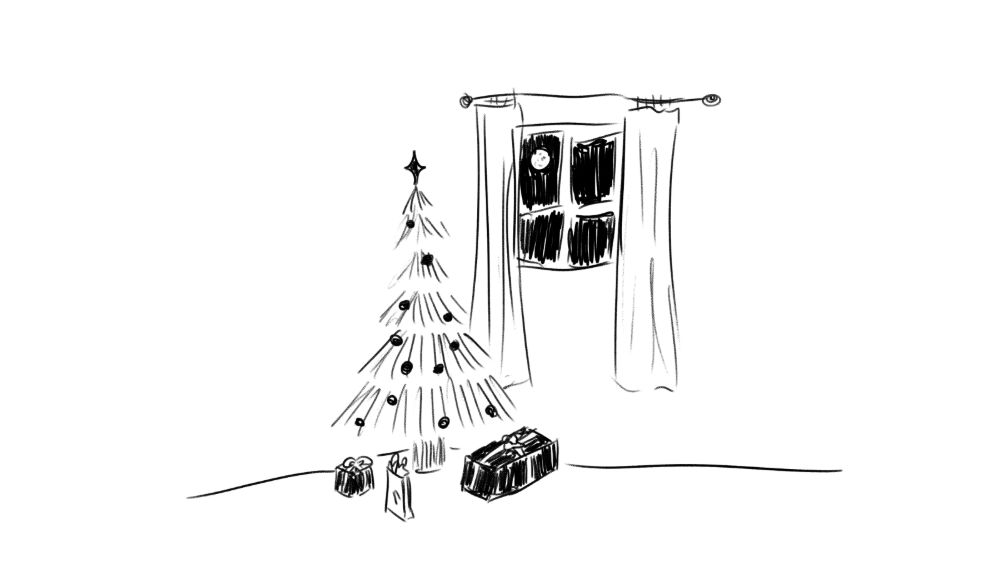
Novy God celebrants traditionally put up and decorate a yolka, or pine tree, with ornaments and lights. Children receive presents from Father Frost–who, like another jolly old man, spends his winters giving presents to children–and his granddaughter, Snow Maiden, and families and friends get together to toast to the new year and feast on traditional Slavic foods like beet salad and sprats.
Chinese New Year
Chinese New Year is one of the Lunar New Years, which are celebrated across East and Southeast Asia. It begins at the first new moon of the lunisolar calendar, which is usually sometime in January or February, and lasts for 15 days. The tradition began with a monster named Nian.
“Nian would go out every new year’s eve to scare villages,” Jenny Huang (’27) said. “The villagers found out that it feared loud noises, bright lights and the color red so they [set] firecrackers, hung lanterns and put red decorations everywhere to scare the monster. These traditions turned into the traditions of Chinese New Year.”
During Chinese New Years, people still hang red decorations to bring good fortune, hang lanterns and set off fireworks, but the festivities also include lion dances, when performers wear a long bright costume and participate in parades. It’s also a time for family reunions. Families get together to give children red envelopes with money and eat traditional foods like dumplings, spring rolls, fish and mandarin oranges.
No matter what type of New Year’s tradition is the one you’ll be celebrating (or have already celebrated) this year, it seems that family and hope for the new year are central tenets of traditions around the world. And we, at The Hawk Talk, wish you a happy New Year!