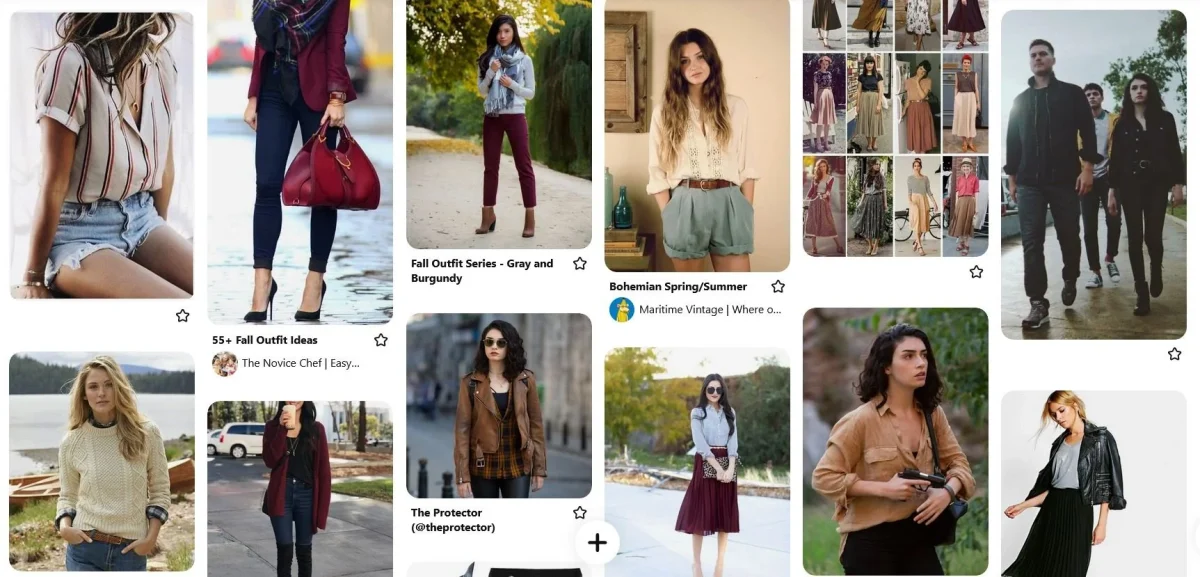
With homecoming, prom and graduation, students often find themselves dressing up. While most girls are off to Macy’s or Windsor to find dresses in every color, shape and style, about half of the Madison population finds itself picking out suits. While menswear comes in different types, when compared to traditional women’s options, it varies little in style, let alone in color palette or texture. However, opinions on whether the lack of variation is an issue are mixed.
“I mean, I don’t think [men’s fashion] really demands a lot of options,” Logan Beam (’27) said. “I don’t think there are a lot of options–but I’m okay that there aren’t.”
Beam’s opinion reflects the views of many, if not most, men: there isn’t a lot of variation, but there isn’t much demand for it either. But which is the chicken and which is the egg? Is the lack of options due to men’s general disinterest in fashion, or is men’s disinterest due to a lack of options?
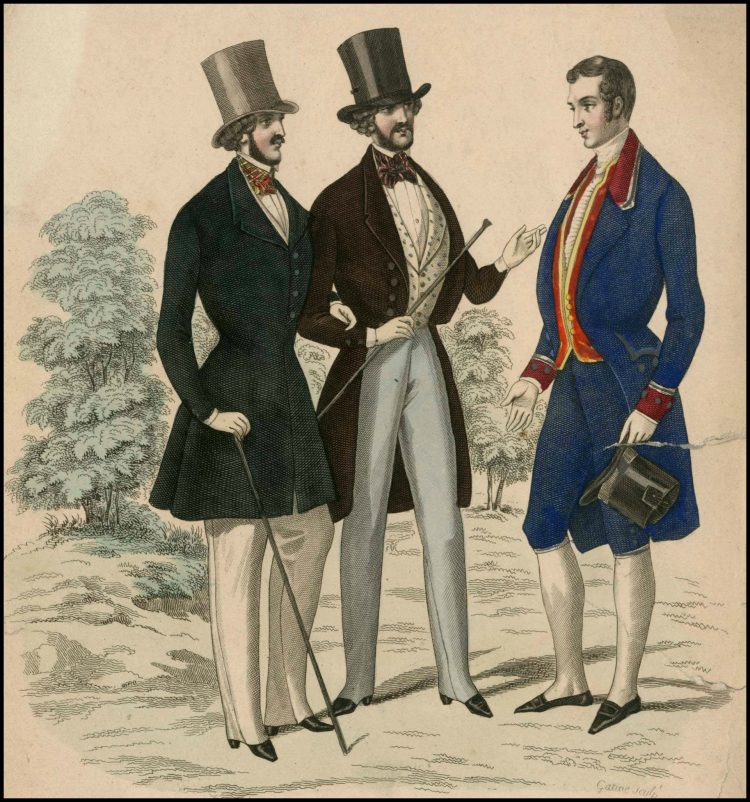
Men’s fashion was not always this way. Throughout the 18th century, royal fashions led the trends of the day, and men wore everything from engraved silver buttons to feathers to brightly patterned fabrics. However, with the French Revolution and the First Industrial Revolution, fashion began to change. Men began to prioritize functionality over aesthetics as Europe moved away from the aristocracy and men entered the workforce in major cities. Unnecessary frills or details began to be viewed as feminine.
According to fashion historian Gayle Fischer, by the end of the 1840s, “men gave up their claims to ornamentation, colors and lace, and adopted a more uniform style of dress, thereby making fashion and all its accoutrements the sole province of women.”
While certain colors and patterns continued to prevail through the 1970s and 80s, men’s fashion eventually succumbed to the drab greys, blacks and navies of today’s formal wear, leaving “funky” ties and socks the only modern evidence of men’s individuality in conventional fashion.
“[What I would want in men’s fashion] mostly comes down to more brands and more, like, unique fabrics and just higher quality stuff out there, instead of being forced to buy cheap stuff that’s available in high quantities and available in high variants, but if I want better things or want, you know, just, different things, I have to go to really unique stores,” Jerome Nathan (’27) said.
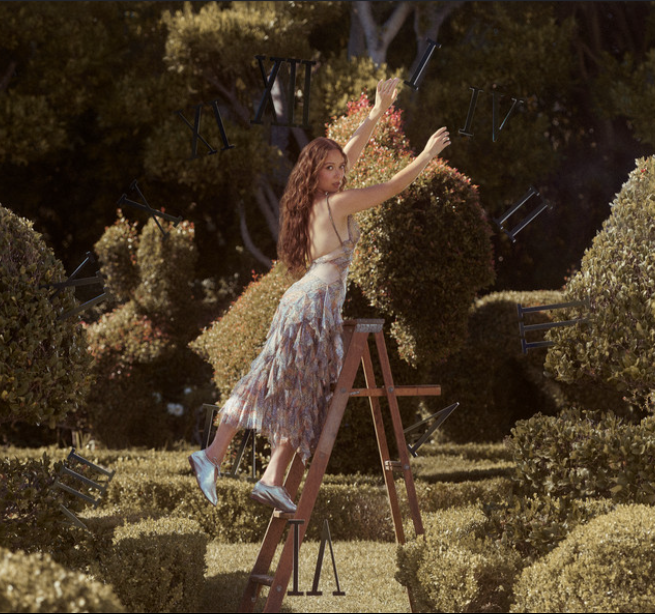
It’s not just stores that lack unique options. People who are invested in pop culture have probably noticed the typically bland fashion of male celebrities. A woman in a breathtakingly intricate dress is often followed by a man in a plain black suit on every red carpet. However, not all male celebrities stick to this default. A few, such as singer-songwriter Conan Gray, do go above and beyond the expectation by experimenting with color, silhouette, fabric and theme. Although Conan Gray’s statement-worthy looks shift societal understandings regarding celebrity men’s fashion, the average man can’t seem to find anything to his taste and thus sticks to the suit of his father’s generation.
“It’s very limited, especially with color and length,” Bowen Cuthbertson (’27) said. “When I was getting my ‘hoco’ outfit there were, like, three options. There was a dark brown, a dark blue, or straight black, and anything other than that tends to be super expensive, and I think that sucks.”
Although 203 surveyed students are split on whether they want increased options in menswear, they generally agree that the options are limited. Men’s fashion has been dull for ages for no good reason. The point of simple clothing is to be more practical; however, practicality doesn’t have to mean plain or boring.